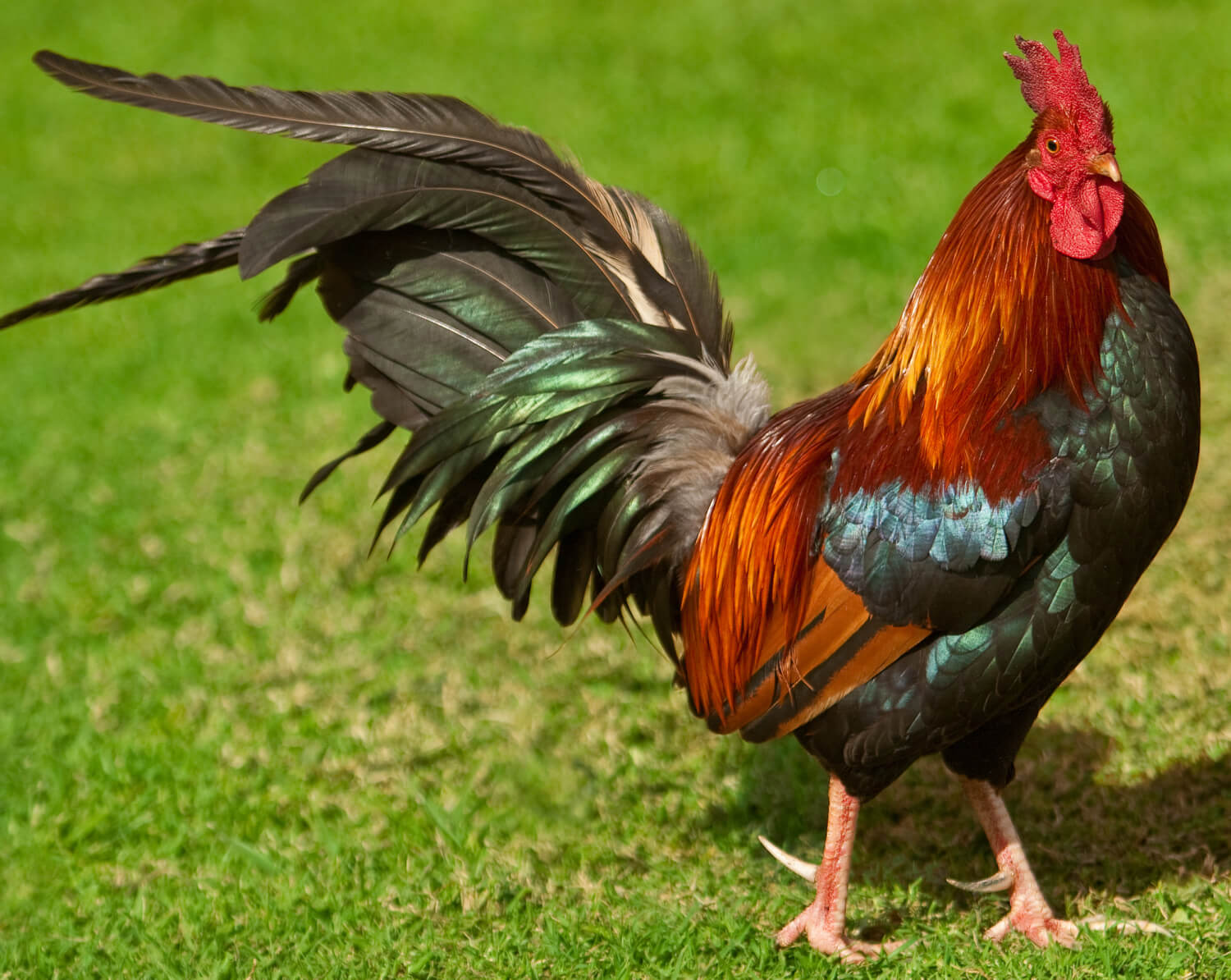
What You Need to Know About Avian Influenza
Avian Influenza, also known as bird flu, is a contagious viral disease of domestic and wild birds. These viruses naturally circulate among wild birds worldwide and can sometimes infect domestic poultry and other bird and animal species. Transmission to humans is rare. However, the virus poses a potential threat to the poultry industry, animal health, and the economy.

Keeping Hawaiʻi Safe from Biosecurity Threats
The Hawaiʻi Department of Agriculture and Biosecurity (DAB) is actively monitoring for Avian Influenza across the state. While there have been some confirmed detections, the risk to the general public in Hawaiʻi remains very low. There are many different strains of the Avian Influenza virus; a small number can cause severe illness and high mortality in birds and may affect other animal species.
Continuing proactive surveillance by DAB and other agencies includes monitoring birds, cattle, and human influenza infections through laboratory testing and wastewater analysis.
For the latest on Avian Influenza monitoring statewide, check out the Hawaiʻi Department of Agriculture and Biosecurity (DAB) dashboard.

Concerns About Human Infections?
Human infections of the Avian Influenza virus are rare and typically occur when a person has close, prolonged, or unprotected contact with infected birds or environments contaminated with the virus.
If you have health concerns, consult your primary care physician.