
Avian Flu in Hawai‘i
The presence of the H5N1 bird flu virus in Hawaiʻi was first confirmed in November 2024 in a backyard flock of birds in Central Oʻahu. That virus strain was a different genotype of the virus that has infected birds and dairy cows on the U.S. mainland.
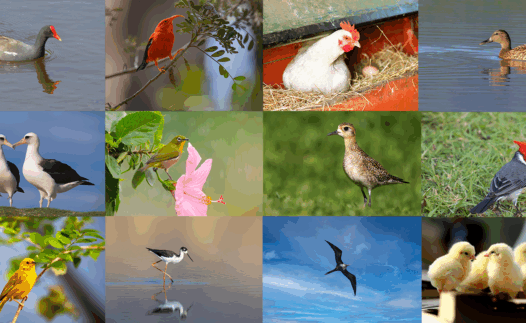
Avian Influenza virus spreads between birds through direct contact. The most likely way it reached Hawai‘i is by migratory birds that mingled with other wild birds.
Avian species differ in their susceptibility to the virus. The virus spreads easily among wild, migratory aquatic birds, with waterfowl and shorebirds considered natural hosts (reservoirs). Certain virus strains can also infect domestic birds, including chickens, turkeys, ducks, pet birds (rarely), humans (rarely), and other mammals, both wild and domestic.

The primary way to protect against Avian Influenza is through good biosecurity practices, especially for those who own backyard poultry. This includes preventing contact between domestic birds and wild birds, maintaining cleanliness, and reporting any unusual illness or deaths in large populations of birds. Properly cooked poultry and eggs are safe to consume, as the virus is sensitive to heat.